Trying to decide between the tight-knit feel of San Elijo Hills and the broader mix of options across San Marcos? You’re not alone. Many buyers weigh Town Center convenience, trails, schools, and HOA costs against wider housing choices and commute needs. In this guide, you’ll get a clear, side-by-side look at homes, lifestyle, schools, transit, and true monthly costs so you can choose with confidence. Let’s dive in.
San Elijo Hills vs. San Marcos: Big picture
San Elijo Hills at a glance
San Elijo Hills is a master-planned community designed for daily convenience and outdoor access. You’ll find a walkable Town Center with shops and dining, a large community park, and an extensive network of open space and trails promoted by the community. The neighborhood is known for coordinated design and amenities that make day-to-day living feel connected. Explore the official overview and amenities on the community site for details on the Town Center, 19-acre park, and trail network at San Elijo Hills.
Greater San Marcos at a glance
San Marcos spans a wide range of neighborhoods and home types. You’ll see older single-family areas, newer master-planned subdivisions with their own amenities, townhomes and condos near shopping and colleges, and semi-rural properties on larger lots in outlying pockets. That variety lets you trade walkability or newer construction for larger lots, different price points, or fewer HOA constraints, depending on your priorities.
Homes and neighborhoods
San Elijo Hills housing
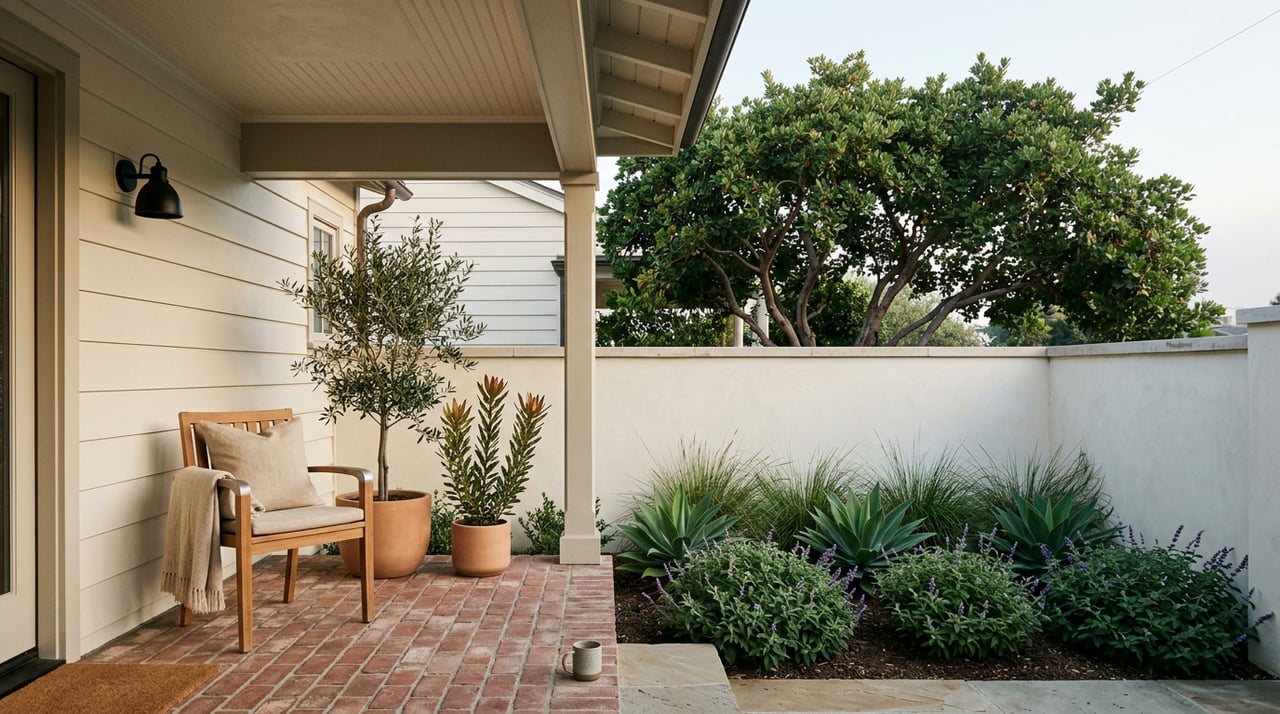
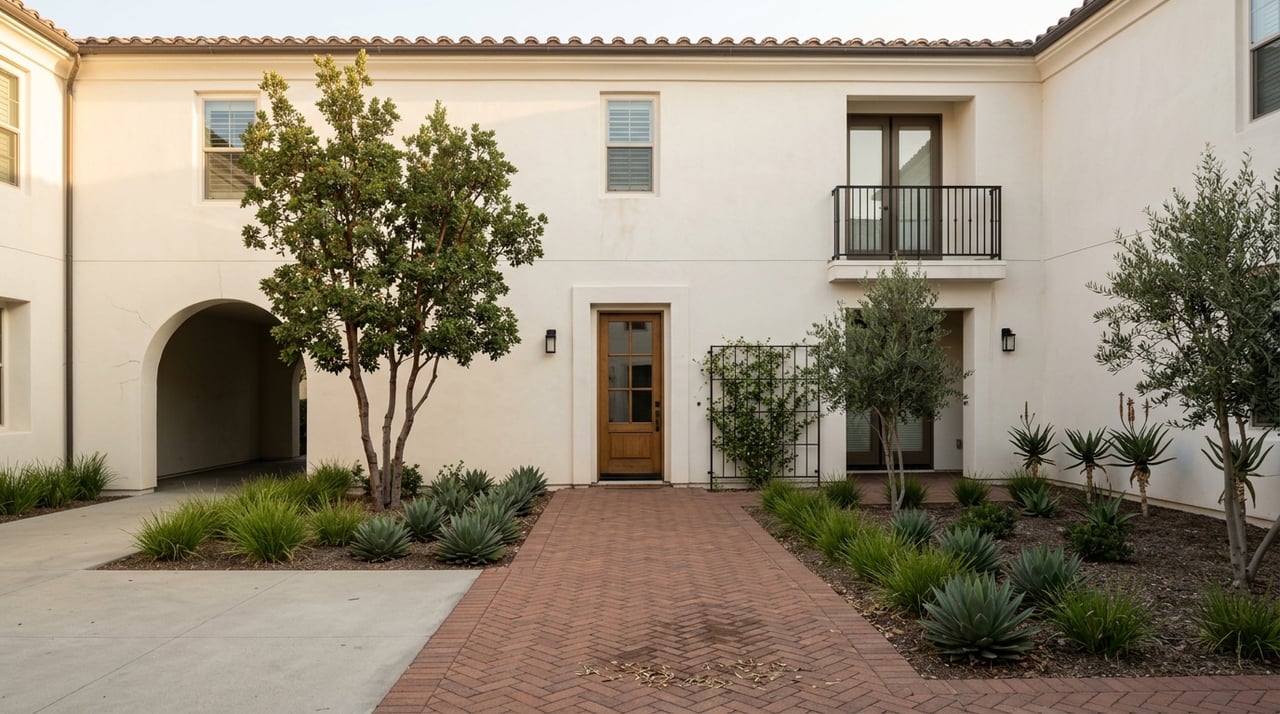
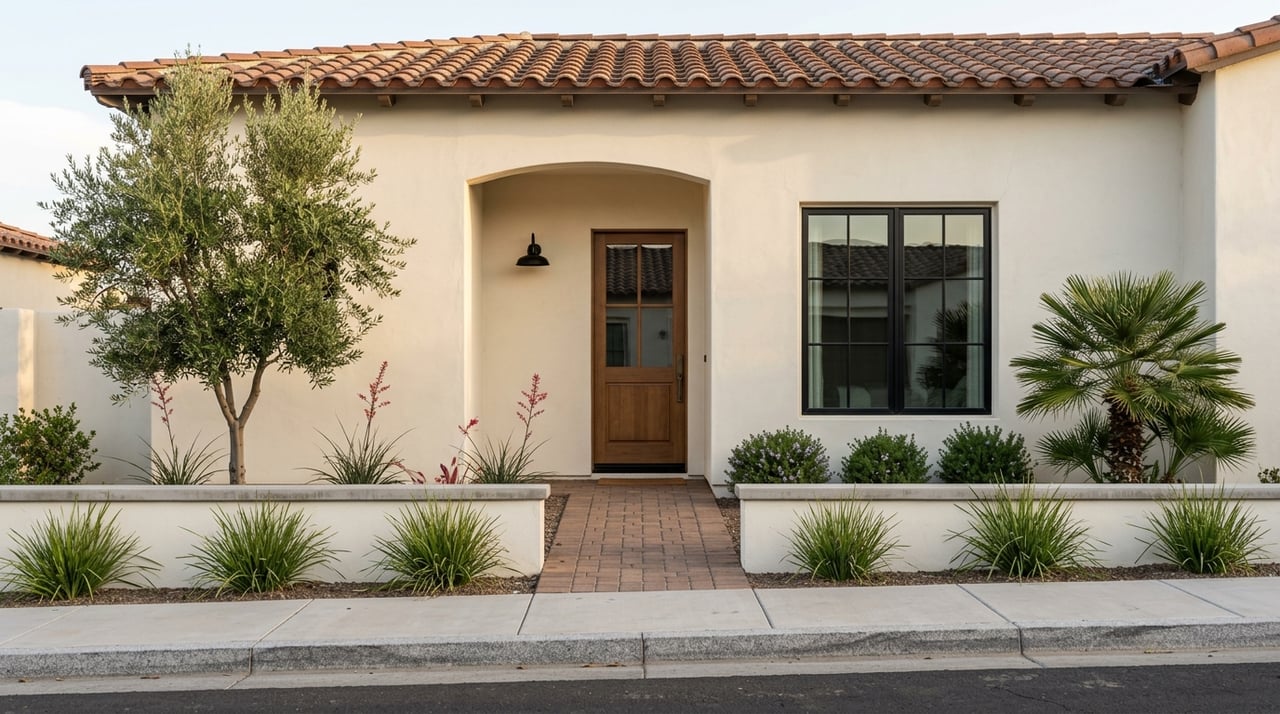
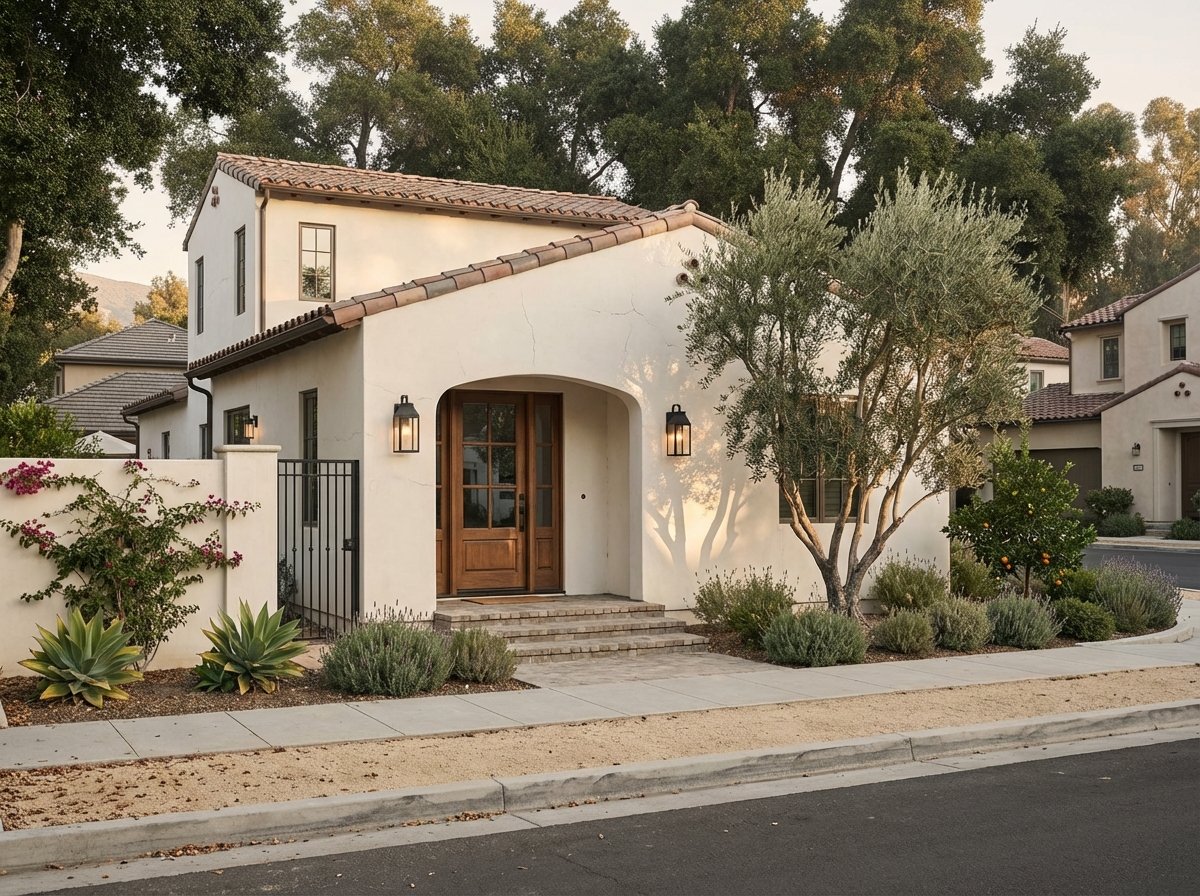
Most homes in San Elijo Hills were built starting in the 2000s and 2010s, with Mediterranean and newer suburban architectural styles common across its sub-neighborhoods. You’ll see primarily single-family detached homes, with townhomes and condos clustered near the Town Center. Buyers often prioritize proximity to parks and schools, gated enclaves in certain tracts, and view lots. Plan for HOA covenants and fees, and note that some tracts include Community Facilities Districts, also known as Mello-Roos, that affect your yearly tax bill.
San Marcos housing choice
Across San Marcos, you’ll find more diversity in age, size, and setting. Options range from older homes with character to newer villages developed by different builders, each with its own amenity mix. There are higher-density pockets near retail and the university, plus larger-lot homes in select areas if you want more space. With that range, your search can flex toward price, lot size, commute routes, or proximity to college and retail hubs.
Lifestyle and amenities
San Elijo Hills lifestyle highlights
The community’s design centers on everyday convenience and outdoor living. The Town Center serves as a central hub for grocery needs, dining, and local services, encouraging walkability from nearby streets. Trails and preserved open space are a signature feature, with the community highlighting about 18 miles of paths and the 19-acre park for sports and gatherings. Nearby Double Peak offers panoramic viewpoints and trail connections, which many residents use for hiking and weekend recharge. You can see how these elements come together on the San Elijo Hills site.
San Marcos lifestyle range
Citywide, you can choose settings near Cal State San Marcos for convenient access to campus resources and events, or look at neighborhoods close to larger retail corridors and activity centers. San Marcos features a robust parks system, bike facilities, and mixed-use areas developed over time. If you like the idea of a village-style setting with builder-provided amenities, you’ll find several. If you prefer quieter streets with larger yards, that is available in certain pockets as well.
Commute and transit
San Marcos residents report a mean commute time of about 26.5 minutes, according to the U.S. Census QuickFacts for workers age 16 and over. That city-level figure is a useful baseline, though your time will vary with destination and peak-hour traffic. See the commute snapshot at U.S. Census QuickFacts.
- Regional rail: North County Transit District operates the SPRINTER line between Escondido and Oceanside, with stations at Palomar College and near the CSUSM area that San Elijo Hills residents can use for regional connections. Review schedules and station info on NCTD’s commute page.
- Local bus: NCTD’s BREEZE bus routes serve city corridors and connect to SPRINTER stations, helpful for campus and local trips.
- Driving links: San Elijo Hills is a short drive to SR-78, with I-5 and I-15 reachable via main arterials. Peak-hour traffic will shape actual travel times, so plan to test your route during the hours you’d normally drive.
Schools and education
San Elijo Hills falls within San Marcos Unified School District, with San Elijo Elementary and San Elijo Middle located in or adjacent to the neighborhood, and the Double Peak K–8 campus nearby. Many buyers value the presence of local campuses and sidewalks within the community. Always verify attendance boundaries for a specific address directly with the district. You can learn more about campus details at the San Elijo Elementary site.
Cal State San Marcos is a regional education and employment anchor, and the university has developed guaranteed-admission partnerships with local districts, including San Marcos Unified. This university pipeline is a meaningful factor for long-term planning. For an overview of CSUSM and its programs, visit the CSUSM page.
Costs to compare: HOA and Mello-Roos
- HOA dues: Many San Elijo Hills sub-neighborhoods include homeowners associations. Townhomes and condos usually carry higher monthly dues than detached homes, but amounts vary by tract and amenities. Some parts of San Marcos outside San Elijo Hills also have HOAs, while other areas do not.
- Mello-Roos/CFD: The City of San Marcos established Community Facilities Districts to fund infrastructure in several newer neighborhoods, including parts of San Elijo Hills. These appear as separate assessments on your property tax bill. The city periodically manages and refinances bonds that support these districts. For context on CFDs in San Marcos, review the city’s information about these assessments at the City of San Marcos news page.
How to get your true monthly number:
- Ask for current HOA dues and recent HOA financials for the specific tract.
- Request the property tax bill or supplemental disclosure to confirm any CFD amounts.
- Confirm any special assessments or maintenance districts tied to the parcel.
- Build taxes, HOA, insurance, and utilities into your monthly affordability check.
What about prices?
Neighborhood medians can move quickly and differ by source and date. At the city level, Zillow’s Home Value Index reported roughly 923,537 dollars for San Marcos as of January 31, 2026. Within San Elijo Hills, listing and sale medians vary by inventory mix and the vendor’s methodology. Use any vendor figure as a directional guide only, and rely on current MLS comparables for a specific home and timeframe.
Safety and research approach
Citywide crime indices for San Marcos show results around average to slightly better than average compared with similar California cities, depending on the metric and period. For block-level context, always consult official police crime maps and recent reports rather than relying on a single index. For a city snapshot, you can review NeighborhoodScout’s San Marcos overview, then verify details with local law enforcement resources.
Which fits your priorities?
Choose San Elijo Hills if you want:
- A cohesive, master-planned setting with a walkable Town Center for daily needs.
- Proximity to neighborhood parks, a large community park, and an extensive trail system.
- Newer construction and coordinated design, sometimes with gated enclaves and view lots.
- Convenience to local K–8 campuses within or near the community, subject to district boundaries.
Look across greater San Marcos if you want:
- A broader range of price points, architectural styles, and lot sizes.
- Options near the university, higher-density retail corridors, or large regional shopping.
- Neighborhoods with different levels of HOA involvement, or properties with fewer formal constraints.
- The opportunity to trade walkability and newer-build amenities for more space or a different commute route.
How to tour and compare like a pro
Use this quick checklist when you schedule showings in both areas:
- Streets and access: Time your drive during peak hours to compare access to SR-78 and your regular routes.
- Town Center and services: In San Elijo Hills, park once and walk the Town Center to get a feel for daily convenience. In San Marcos, tour the retail and service corridors closest to each home on your list.
- Parks and trails: Walk at least one trail segment in San Elijo Hills and visit Double Peak to understand weekend options. In San Marcos, visit the nearest community parks to each property.
- School logistics: For homes you like, check district resources to confirm attendance boundaries and ask about safe walking routes and crossing points.
- HOA and CFD details: Before you fall in love, request HOA dues and the most recent tax bill or disclosures to confirm any Mello-Roos amounts.
- Noise and lifestyle: Visit morning, afternoon, and evening to note traffic patterns, activity levels, and light.
- Price reality check: Have your agent pull recent MLS comps for the specific micro-area and house type, rather than relying on city medians.
The bottom line
If you value a single, well-organized community with walkable daily needs, strong trail access, and neighborhood schools, San Elijo Hills delivers that experience. If you want more variety in price bands, lot sizes, and proximity to university and retail hubs, the wider San Marcos market offers strong alternatives. The right choice depends on the tradeoffs you want to make among convenience, space, commute, and total monthly costs.
When you’re ready to compare neighborhoods side by side with current MLS data, HOA and Mello-Roos verified, and a clear plan for offer strategy, reach out to Karen Morton. You’ll get local guidance, smart staging insights if you need to sell first, and a calm, step-by-step path to the right home.
FAQs
What is the core difference between San Elijo Hills and San Marcos?
- San Elijo Hills is a single master-planned community with a Town Center, parks, and trail network, while San Marcos is the larger city that includes many different neighborhoods, home types, and settings.
Are homes in San Elijo Hills more expensive than San Marcos overall?
- It depends on timing and inventory mix; city medians and neighborhood medians vary by source and date, so use vendor-cited figures as context and confirm with current MLS comparables.
How do HOA dues and Mello-Roos work in San Elijo Hills and San Marcos?
- Many San Elijo Hills tracts have HOAs and some include Mello-Roos; across San Marcos, HOAs and CFDs vary by neighborhood, so always request the tax bill and HOA documents for each specific property.
Can children walk to school in San Elijo Hills?
- Several campuses, including San Elijo Elementary and San Elijo Middle, are located within or near the community, but walking routes and attendance boundaries depend on your address, so verify with the district.
What transit options serve the San Marcos area near San Elijo Hills?
- NCTD’s SPRINTER rail line and BREEZE buses connect key San Marcos destinations, with the nearest rail stations around the Palomar College and CSUSM areas for regional trips.