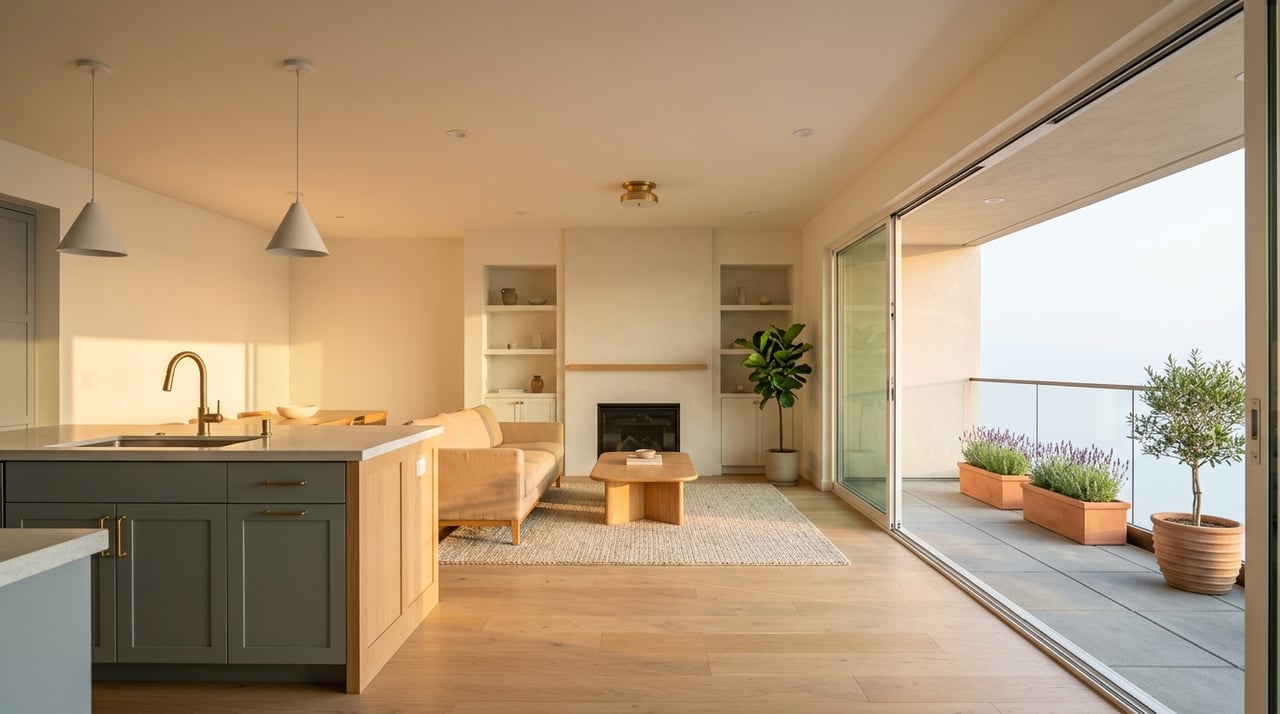
Wondering whether coastal condo living in Oceanside is the right fit for your lifestyle, budget, or long-term plans? You are not alone. For many buyers, the appeal is obvious: beach access, lower-maintenance living, and a lock-and-leave setup. But the best choice often comes down to one simple question: do you want newer finishes, direct sand access, or a bit of both? This guide breaks down the main coastal condo and townhome options in Oceanside, along with the tradeoffs that matter most, so you can compare your choices with more confidence. Let’s dive in.
Oceanside’s Coastal Condo Areas
If you are exploring coastal condos in Oceanside, most options fall into three practical areas: the Pier and Downtown beach core, the Harbor and Harbor Beach area, and South Oceanside near Buccaneer Beach.
The city describes the Pier area as the heart of beach activity, with The Strand serving as the shoreline road. Harbor Beach is the city’s largest beach and sits next to harbor amenities. In South Oceanside, beach access can be more tide-dependent in some stretches, with some areas easier to use at low tide.
That geography matters because it shapes your day-to-day experience. Some buyers want to walk to restaurants, coffee, and transit. Others want a more direct relationship to the sand, harbor, or a quieter beach setting.
Downtown and Pier Core
Downtown Oceanside has become the center of newer condo development. This area tends to appeal to buyers who want modern design, walkability, and easier access to transit and daily conveniences.
The Oceanside Transit Center is a major regional hub with BREEZE, SPRINTER, COASTER, Amtrak, Metrolink, and Greyhound service, plus more than 1,200 parking spaces. If you commute, split time between cities, or host out-of-town visitors, that level of connectivity can be a real advantage.
Harbor and Harbor Beach
The Harbor area is one of the strongest options for buyers who want a beach-and-marina feel. You are close to Harbor Beach, harbor activity, and several established condo communities that lean into a vacation-style lifestyle.
This zone often appeals to second-home buyers, downsizers, and buyers who care more about direct coastal access than brand-new interiors. Depending on the community, you may also find more common-area amenities here than in smaller newer buildings.
South Oceanside
South Oceanside offers a different feel from the Pier and Harbor zones. It can be a good fit if you want to stay coastal while feeling a bit removed from the busiest tourist core.
That said, beach use in some South Oceanside stretches is more tied to tides. If regular beach access is a top priority, it is smart to compare not just the map location, but how the beach actually functions day to day.
Newer Condos Near Downtown
If your priority is modern finishes and a more turnkey living experience, newer downtown and near-downtown condos may be the best place to start. These projects tend to emphasize clean layouts, structured parking, elevator access, and lifestyle amenities designed around convenience.
A good example is SALT, a newer condo project marketed about two blocks from the beach. Its floor plans range from 1- and 2-bedroom units of about 756 to 1,401 square feet, with features like open-concept layouts, floor-to-ceiling windows, 9-foot ceilings, in-home washers and dryers, and private decks or balconies.
Shared amenities in projects like this often shape the value story. At SALT, those include a rooftop lounge, clubhouse, resident lounge, fire pits, BBQs, surfboard and beach-gear storage, bike storage and repair, and EV charging.
City records for recent downtown projects show a similar pattern. Newer coastal infill buildings often include underground or structured parking, rooftop decks, elevators, resident lounges, fitness space, and in some cases pool and spa areas.
Why Buyers Like Newer Product
Newer condos can simplify the move. You may get more contemporary layouts, stronger indoor-outdoor flow, and less immediate updating compared with older beachfront inventory.
For relocating professionals and busy buyers, downtown also offers strong practical benefits. Walkability, transit access, and lower day-to-day maintenance can make this category especially appealing if you want a coastal lifestyle without the feel of a larger detached home.
Tradeoffs of Newer Downtown Condos
The tradeoff is usually location relative to the sand. You may be close to the beach, but not directly on it.
In many cases, the lifestyle emphasis is also different. Instead of direct beach access and lush resort-style grounds, the value may come from rooftop spaces, modern interiors, and easier access to downtown amenities.
Established Beachfront Communities
If you picture stepping out toward the sand, established beachfront and harbor-side communities may feel more compelling. These properties are often older, but they can offer something newer projects usually cannot: a more immediate relationship to the ocean.
These communities also tend to have larger shared amenity packages. Pools, spas, gated access, landscaped grounds, and clubhouse-style spaces are common features in several well-known Oceanside developments.
North Coast Village
North Coast Village is one of the best-known examples of established coastal condo living in Oceanside. Current sources describe it as a 1981 oceanfront complex between the harbor and the pier, with 1-, 2-, and 3-bedroom options on more than 11 acres of landscaped grounds.
Amenities described in current sources include pools, spas, a putting green, fitness room, sauna, clubhouse or recreation room, 24-hour security, gated parking, laundry, and direct beach access. Recent listings also show HOA dues roughly in the $560 to $1,000 per month range, with some listings noting dues may cover items like cable, internet, exterior building and roof maintenance, landscaping, water, and trash.
Marina Del Mar
Marina Del Mar is another classic harbor-side option. Current listings describe it as a gated 1974 community located between the beach and harbor, with 1- and 2-bedroom units roughly from 694 to 1,364 square feet.
Amenities in current listings include a heated pool and spa, BBQ area, elevators, laundry on each floor, gated parking, and guest access. Recent listings show HOA dues around the $716 to $1,013 per month range, and some listings note that the HOA allows short-term rentals.
San Miguel on The Strand
San Miguel on The Strand is a useful benchmark for direct beachfront living. Current listings show 2-bedroom homes around 1,006 to 1,200 square feet, with direct sand access, ocean-view spas, underground parking, elevators, gated access, and HOA dues roughly in the $680 to $760 per month range.
Some current listings also highlight no-stairs beach access in certain ground-level units. For downsizers, second-home buyers, or anyone thinking carefully about ease of use, that kind of detail can make a meaningful difference.
Townhomes as a Middle Ground
Townhomes often sit between condos and detached homes in both feel and function. If you want more separation between living and sleeping areas, or simply prefer a more residential layout, this category is worth a closer look.
Recent Oceanside examples include oceanfront Strand townhomes, downtown townhomes a few blocks from the sand, and South Oceanside townhomes near Buccaneer Beach and Pacific Coast Highway. In general, townhomes offer more privacy and a more house-like experience than a typical condo.
The tradeoff is that they often come with fewer resort-style common amenities than larger condo communities. If your ideal coastal lifestyle includes a pool, spa, clubhouse, or highly managed common areas, a townhome may feel less full-service.
The Biggest Ownership Tradeoffs
No matter which area or property type you prefer, coastal condo living in Oceanside comes with a few major ownership questions. These usually matter just as much as the floor plan or ocean view.
The biggest ones are HOA structure, rental rules, parking and building logistics, and the realities of shoreline management. Looking closely at those items can help you avoid surprises after closing.
HOA Rules and Dues
When you buy a condo or townhome in California, you are generally buying into a common-interest development. That means HOA membership is typically automatic, and the community’s governing documents matter a great deal.
The California Attorney General explains that CC&Rs govern the project and that associations can enforce rules, fines, and restrictions on common-area access. Guidance from the California Department of Real Estate also notes that boards manage budgets and reserves, and that regular and special assessments are governed by state rules and each association’s documents.
In practical terms, that means you should look beyond the monthly dues amount. You also want to understand what the dues cover, how healthy reserves appear to be, and whether the community’s rules fit how you plan to live in the property.
Short-Term Rental Rules
If you are considering part-time use, investment income, or future rental flexibility, short-term rental rules deserve careful attention. In Oceanside, a short-term rental is defined by the city as a rental of 30 days or less.
The city says owners generally need a TOT certificate and a short-term rental permit. The city also states that owners should review HOA CC&Rs because the city does not enforce private HOA rules.
This is where buyers can get tripped up. Rental strategy is often specific to the individual community, not just the neighborhood.
The city also says non-hosted short-term rentals are prohibited outside the Coastal Zone, while some gated HOAs with at least 50 units, required parking, and 24-hour security or on-site management may be exempt from the permit requirement. That makes due diligence especially important in larger coastal associations.
Beachfront Access and Coastal Change
The view may feel timeless, but the coastline is not static. Oceanside’s coastal management story is an important part of buying near the water.
The city says it has nearly four miles of coastline and continues to address erosion through shoreline management efforts that include the RE:BEACH sand-retention pilot, harbor dredging and sand placement, and a federal shoreline study tied to erosion caused by the harbor. The city also states that beaches south of the harbor have retreated by 6.6 feet per year in some areas.
For buyers, this does not mean avoiding the coast. It means understanding that beachfront ownership comes with environmental maintenance, access considerations, and long-term context that should be part of your decision.
How to Match the Property to Your Lifestyle
The simplest way to think about Oceanside coastal condo living is as a tradeoff between immediacy and newness. Newer downtown condos usually offer more modern interiors, easier lock-and-leave living, and strong access to downtown and transit.
Older beachfront and harbor-side communities often offer direct sand access, more established resort-style amenities, and strong appeal for second-home or vacation-oriented use. Townhomes usually land in the middle, with more privacy and a more residential feel, but often fewer shared amenities.
If you are narrowing your options, start with these questions:
- Do you want to be on the sand or simply close to it?
- Is modern interior design more important than direct beach access?
- Will you use the home full time, part time, or as an investment?
- Are you comfortable with HOA dues and community rules that may be more detailed in coastal properties?
- Do you want walkability and transit access, or a quieter setting?
- Would a townhome layout fit your lifestyle better than a single-level condo?
The right answer is not the same for every buyer. It depends on how you want to live, how often you plan to use the home, and which tradeoffs feel worthwhile to you.
If you are comparing coastal condos or townhomes in Oceanside, working with a local advisor can help you look past the surface details and focus on what actually fits your goals. From HOA review to neighborhood fit to the practical differences between beachfront, harbor-side, and downtown product, the right guidance can save you time and sharpen your decision. If you are ready to explore your options, connect with Karen Morton for a complimentary market & staging consultation.
FAQs
What are the main areas for coastal condos in Oceanside?
- The main areas are the Pier and Downtown beach core, the Harbor and Harbor Beach area, and South Oceanside near Buccaneer Beach.
What is the difference between newer downtown condos and older beachfront condos in Oceanside?
- Newer downtown condos usually focus on modern interiors, rooftop or resident amenities, and transit-friendly walkability, while older beachfront condos often emphasize direct sand access, established common amenities, and a stronger vacation-style feel.
What should buyers know about HOA rules for Oceanside condos?
- Buyers should review the HOA’s CC&Rs, dues, reserve structure, and any rules related to common areas, parking, rentals, and assessments because those rules are a key part of condo ownership.
Are short-term rentals allowed in Oceanside coastal condo communities?
- Short-term rental rules vary by city regulations and by individual HOA, so you should confirm both the city requirements and the specific community’s governing documents before you buy.
Are townhomes a good alternative to condos in Oceanside?
- Townhomes can be a strong alternative if you want more privacy and a more house-like layout, though they often have fewer resort-style amenities than larger condo communities.
Why does coastal management matter for Oceanside beachfront buyers?
- Coastal management matters because the city continues to address erosion, sand retention, and shoreline access issues, which can affect how beachfront areas function over time.