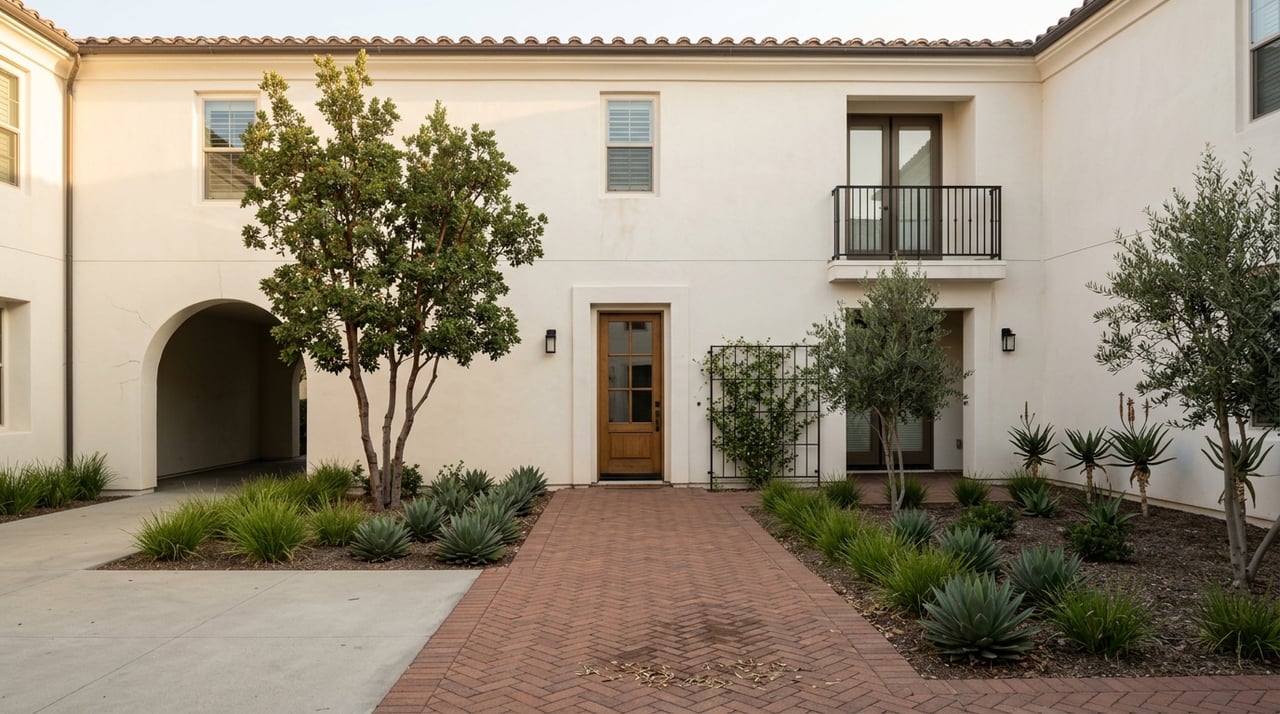
If you want a home base in Encinitas without the full upkeep of a detached property, condos and townhomes deserve a closer look. They can offer the coastal lifestyle, everyday convenience, and lower-maintenance structure that appeal to downsizers, second-home buyers, and busy professionals alike. The key is knowing that attached-home living in Encinitas is not one-size-fits-all, and the right fit often comes down to location, HOA details, and how you want to live day to day. Let’s dive in.
Why Encinitas works for lock-and-leave living
Encinitas stretches along about six miles of Pacific coastline and includes New Encinitas, Old Encinitas, Cardiff-by-the-Sea, Olivenhain, and Leucadia. According to the city, these areas have distinct character, which directly affects where you are most likely to find condos and townhomes.
In practical terms, attached housing tends to be more common in the beach-oriented communities and near Highway 101, while east of Interstate 5 you are more likely to see newer planned-community condos and townhomes near El Camino Real and Encinitas Boulevard. That means your search should start with your lifestyle priorities, not just your price point.
Where to look in Encinitas
West of I-5 options
If walkability, beach access, and proximity to dining are high on your list, west-of-I-5 areas often stand out. The city describes Downtown 101 as a coastal shopping district with historic architecture, shops, sidewalk cafes, specialty retail, and restaurants.
This part of Encinitas also puts you closer to popular beach destinations like Moonlight Beach, Swami’s, Beacon’s Beach, and D Street. Moonlight Beach in particular offers year-round lifeguards, restrooms, showers, picnic areas, a playground, tennis and volleyball courts, and parking, which adds to the appeal of nearby attached homes.
Old Encinitas is one of the clearest examples of the mixed coastal housing pattern. The city notes that both east and west of Interstate 5 there are some twin homes and condominiums, with attached and multi-family infill allowed along major arterials.
Leucadia also has higher residential density along Coast Highway 101, while much of the rest of Leucadia is lower density. If your goal is a true lock-and-leave setup close to coastal amenities, these areas are often especially relevant.
East of I-5 options
If you prefer a more planned setting, east-of-I-5 communities may offer a different kind of convenience. Buyers there are more likely to find newer condos and townhomes near El Camino Real and Encinitas Boulevard.
For many buyers, this side of Encinitas works well when they want an attached home with easier access to daily errands, commuting routes, and planned-community layouts. You may trade some immediate beach walkability for a different kind of ease and predictability.
Areas with fewer attached homes
Cardiff-by-the-Sea is described by the city as primarily single-family and as a walkable beach village. Attached homes do exist there, but they are not the dominant housing type.
Olivenhain is characterized by the city as rural and low density, with trails, equestrian facilities, and large lots. Because of that, it is usually a secondary choice for buyers who are specifically focused on condos or townhomes.
What condo and townhome living usually looks like
Encinitas design standards for multi-family housing emphasize lower street-facing heights, parking that is placed to the rear or screened from view, varied garage placement, and building design that breaks up larger massing. The city also refers to primary living areas opening to patios or decks.
For you as a buyer, that often translates into a smaller-footprint home with an attached garage or carport, a private patio or deck, and shared common areas instead of a large private yard. If your priority is less exterior upkeep and more freedom to travel or enjoy the coast, that tradeoff can make a lot of sense.
Lock-and-leave living is often less about square footage and more about simplicity. You may give up a big lot, but in return you can gain a more manageable home base near the places you actually use.
Why HOA details matter so much
In California, when you buy a condo, townhouse, or other home in a common-interest development, you automatically become a member of the homeowners association. The California Attorney General describes HOAs as organizations that make and enforce rules for planned communities and condo buildings, and notes that most are nonprofit mutual benefit corporations governed by a board.
For lock-and-leave buyers, the biggest issue is maintenance responsibility. Under California Civil Code Section 4775, the association is generally responsible for repairing, replacing, and maintaining common area, while the owner is responsible for the separate interest. Responsibility for exclusive-use common area depends on the governing documents.
That division of responsibility is one reason condos and many townhomes can feel lower maintenance than detached homes. But it also means you should understand exactly what the HOA handles and what still falls on you.
What to review before you buy
California law requires sellers in these communities to provide a substantial HOA disclosure package. Under Civil Code Section 4525, that package includes governing documents, recent annual budget materials, a statement of current assessments and unpaid amounts, and notice of unresolved violations.
Under Civil Code Section 5300, the annual budget report must also include reserve information, the reserve funding plan, possible special assessments, loans, and a summary of insurance policies. For condo projects, the annual report also includes FHA and VA approval status.
These documents can tell you a great deal about how easy or stressful ownership may feel after closing. A well-run community with strong reserves may support the low-hassle lifestyle you want, while deferred maintenance or weak reserves can create future costs and uncertainty.
Key HOA questions to ask
When you compare Encinitas condos and townhomes, practical questions usually matter more than glossy marketing. A beautiful location is important, but your day-to-day ownership experience often comes down to the fine print.
Ask questions like these before you commit:
- How much of the exterior is maintained by the HOA?
- Is the patio, balcony, or other exclusive-use space owner-maintained or HOA-maintained?
- Does the unit have a private garage, attached garage, carport, or only assigned parking?
- Are there enough guest parking spaces?
- What are the monthly HOA dues?
- Are there rental limits or resale restrictions?
- What are the pet rules?
- How healthy are the reserves?
- Is there any discussion of deferred maintenance or possible special assessments?
- What does the master insurance policy cover, and what may still be your responsibility?
These questions are especially important because the association’s master policy may not cover your personal property or improvements around the dwelling, and you may still be responsible for deductibles.
Budgeting beyond the mortgage
One of the easiest mistakes buyers make is focusing too narrowly on the mortgage payment. HOA dues are typically paid separately to the HOA and are not included in your monthly mortgage servicer payment.
Those dues can range from a few hundred dollars a month to more than $1,000 a month. That does not automatically make one community a better value than another, but it does mean you should look closely at what the dues support and how the association is planning for future repairs.
California also places limits on dues increases. Under Civil Code Section 5605, regular assessments generally cannot be increased more than 20% over the prior fiscal year, and certain larger special assessments require member approval. Even with those limits, reserve health and deferred maintenance still matter because they can affect your long-term costs.
Location risks to consider in coastal Encinitas
With lock-and-leave living, convenience is only part of the picture. Exact location still matters, especially in a coastal city.
Encinitas identifies coastal bluff erosion, vulnerability to future sea-level-rise inundation near Moonlight Beach and Cardiff-by-the-Sea, and flooding in low-lying areas of Leucadia and Old Encinitas. If you are considering a bluff-top, near-beach, or low-lying property, it is worth looking carefully at the specific street location, elevation, and building condition.
The city also lists ongoing infrastructure work in coastal and rail-adjacent areas, including projects related to a quiet zone in the rail corridor, safe rail crossings in Leucadia and Cardiff, and drainage improvements along North Coast Highway 101. If you are drawn to a home near downtown or the 101 corridor, those surrounding conditions may be worth discussing during your search.
How to choose the right fit
The best Encinitas condo or townhome for lock-and-leave living depends on what kind of convenience matters most to you. If you want beach access, Downtown 101 energy, and a coastal day-to-day feel, west-of-I-5 options may be the strongest fit.
If you want a more planned setting and easier access to major local corridors like El Camino Real and Encinitas Boulevard, east-of-I-5 communities may feel more practical. And if you are targeting Cardiff-by-the-Sea or Olivenhain, it helps to know from the start that attached-home inventory is generally less common.
The goal is not just to buy an attached home. It is to buy the version of attached living that actually supports your schedule, your budget, and the way you want to use your home.
If you are weighing condos or townhomes in Encinitas and want a local perspective on location, lifestyle fit, and the details that matter behind the scenes, Karen Morton can help you narrow the options with clarity and confidence.
FAQs
What areas of Encinitas have the most condos and townhomes?
- In general, attached housing is more common west of I-5 in beach-oriented areas and along Highway 101, while east of I-5 buyers are more likely to find newer planned-community condos and townhomes near El Camino Real and Encinitas Boulevard.
What makes a condo or townhome good for lock-and-leave living in Encinitas?
- A strong fit usually means less exterior maintenance, shared common areas instead of a large yard, and a location near the amenities you use most, such as beaches, dining, shopping, or major local routes.
What does an HOA usually maintain in a California condo or townhome community?
- Under California Civil Code Section 4775, the HOA is generally responsible for common area maintenance, while you are generally responsible for your separate interest, though exclusive-use areas depend on the governing documents.
What HOA documents should buyers review for an Encinitas condo or townhome?
- Buyers should review the governing documents, annual budget materials, reserve information, current assessments, any unpaid amounts, insurance summary, and notices of unresolved violations that are required in the seller’s disclosure package.
Are HOA dues included in a mortgage payment for an Encinitas condo?
- Usually no. HOA dues are typically paid separately to the association rather than included in your monthly mortgage servicer payment.
What coastal risks should buyers consider for Encinitas attached homes?
- Depending on the location, buyers should pay attention to issues the city identifies such as coastal bluff erosion, sea-level-rise vulnerability near Moonlight Beach and Cardiff-by-the-Sea, and flooding in low-lying parts of Leucadia and Old Encinitas.